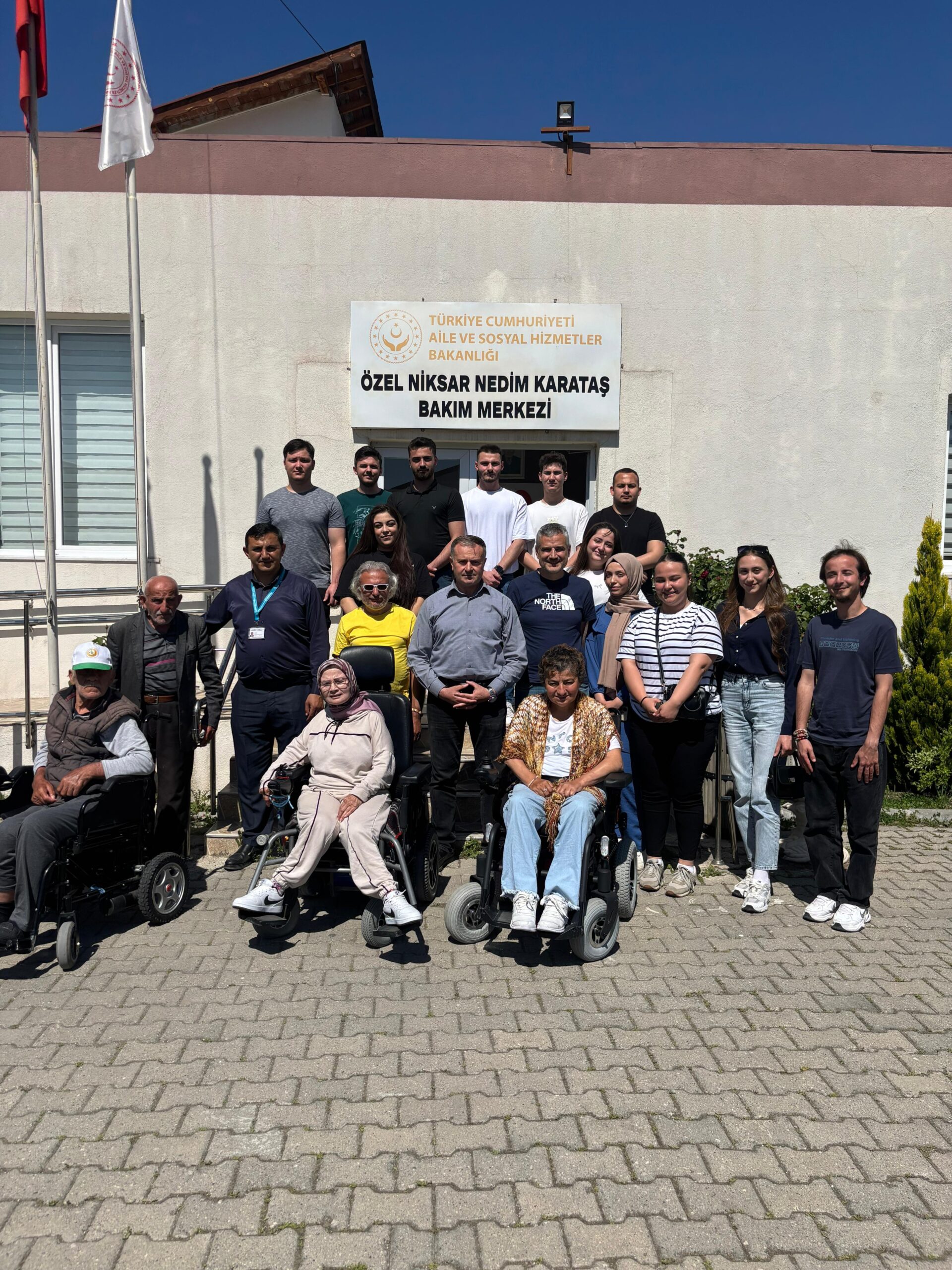

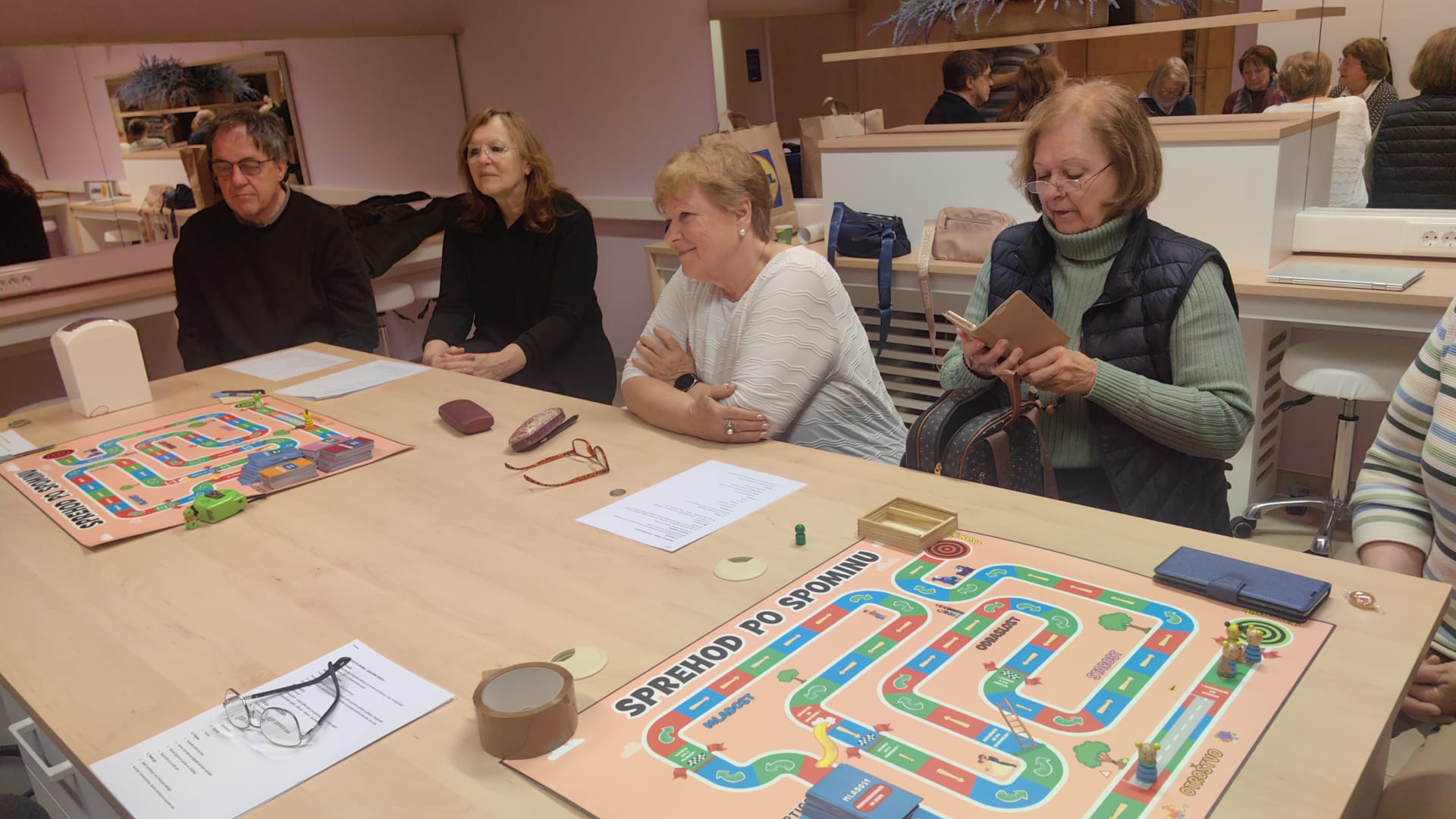
We have reached a significant milestone with our “Memory Walk” game, developed as part of our Erasmus+ project, Active Brain Games for Seniors. Designed to support the cognitive health of older adults and strengthen their social bonds, the pilot tests were conducted simultaneously in Denmark, Portugal, Turkey, and Slovenia. These sessions proved once again that our project is far more than just a game; it is a vital tool for intergenerational communication.
Memories Refreshed with Laughter
We brought together participants aged 55–80 from four different cultures. Throughout the testing process, the laughter echoing from the tables and the sharing of profound life stories were the greatest achievements of our project. Thanks to the tasks on the activity cards, participants recalled past knowledge and refreshed their memories. As these shared memories strengthened the bonds between players, many participants expressed a desire to play the game with their own families and grandchildren. This highlighted the immense value of our game in fostering intergenerational connections, beyond its benefits for seniors alone.
Designing Better with What We Have Learned
Feedback from both participants and professional observers provided us with invaluable insights to perfect the gaming experience. Based on the testing process, we have decided to focus on the following key areas:
- More Accessible Design: We are simplifying card texts and increasing font sizes to enhance readability. Additionally, we are making pawns and game pieces more ergonomic and easier to handle, ensuring they are suitable for all levels of fine motor skills.
- Simplified Rules: We are making the rules more straightforward to speed up the game’s flow and prevent any confusion.
- Safety First: In line with expert opinions, we are revising physical tasks to protect the health of players over 65. Instead of high-effort movements, we are focusing on low-impact exercises that support mobility.
- Cognitive Leveling: During the tests, we observed that a 55-year-old participant and an 80-year-old participant have different needs. Consequently, we are categorizing our questions into two cognitive levels: “Light” and “Challenging.”
Next Steps
This testing phase demonstrated not only the technical aspects of the game but also the boost in motivation and happiness that social participation brings to older adults. In light of the data gathered from Denmark, Portugal, Turkey, and Slovenia, we are eager to make our game even more inclusive and enjoyable.
We extend our gratitude to all the volunteers who participated in the testing process and to our partners across Europe. Very soon, we will be ready for many more people to experience this unique journey and share their memories!